• Mikrobiome – Schlüssel zu Gesundheit und Nachhaltigkeit?

    In this panel discussion, an immunologist, a soil scientist and an infectious disease biologist will show you just how important microorganisms are to our lives. Together, we will look at what we already know about the microbiomes in our bodies and in the environment – and why research in this field is raising such high […]

  • Volkswirtschaft im Alltag

    From theory to practice. Global interdependence, conflicting environmental and social objectives, economic crises and political uncertainty shape economic decisions at every level – right down to our daily lives. In this Science Café, we aim to demonstrate and discuss how economic models and theories influence our daily lives and how understanding them enables us to […]

  • The New Monuments Men?

    Have you heard of the “Monuments Men”? They saved works of art during World War II—their story became widely known through a film directed by George Clooney (2014). Researchers who study historic buildings are, in a sense, the “Monuments Men” of the 21st century. They analyze construction sites as well as structure and furnishings to […]

  • Ewigkeitschemikalien PFAS – unsichtbar, überall

    This Science Café focuses on so-called ‘forever chemicals’: PFAS (per- and polyfluoroalkyl substances). These substances have been used in many products for decades – from Teflon pans and rainwear to packaging and industrial applications. The problem is that PFAS hardly break down in the environment. Today, they can be detected even in remote regions and […]

  • Aufmerksamkeit unter Druck – das Gehirn im digitalen Alltag

    From an early age, we learn to organize and connect the many impressions around us. Our brains learn through experience to direct our attention specifically to those things that are important in a given situation. This allows us to learn with focus or to react quickly in critical situations. This ability of our brain has […]

  • Genomik von Neuseeland über Südafrika nach Zürich

    At the Science Café, we will discuss with you how new genomic technologies make it possible to detect pathogens quickly and accurately right on the spot. First, we will explain how portable sequencers work. We will then use examples from South Africa and New Zealand to show how we are deploying these technologies in the […]

  • Wissen oder Schicksal?

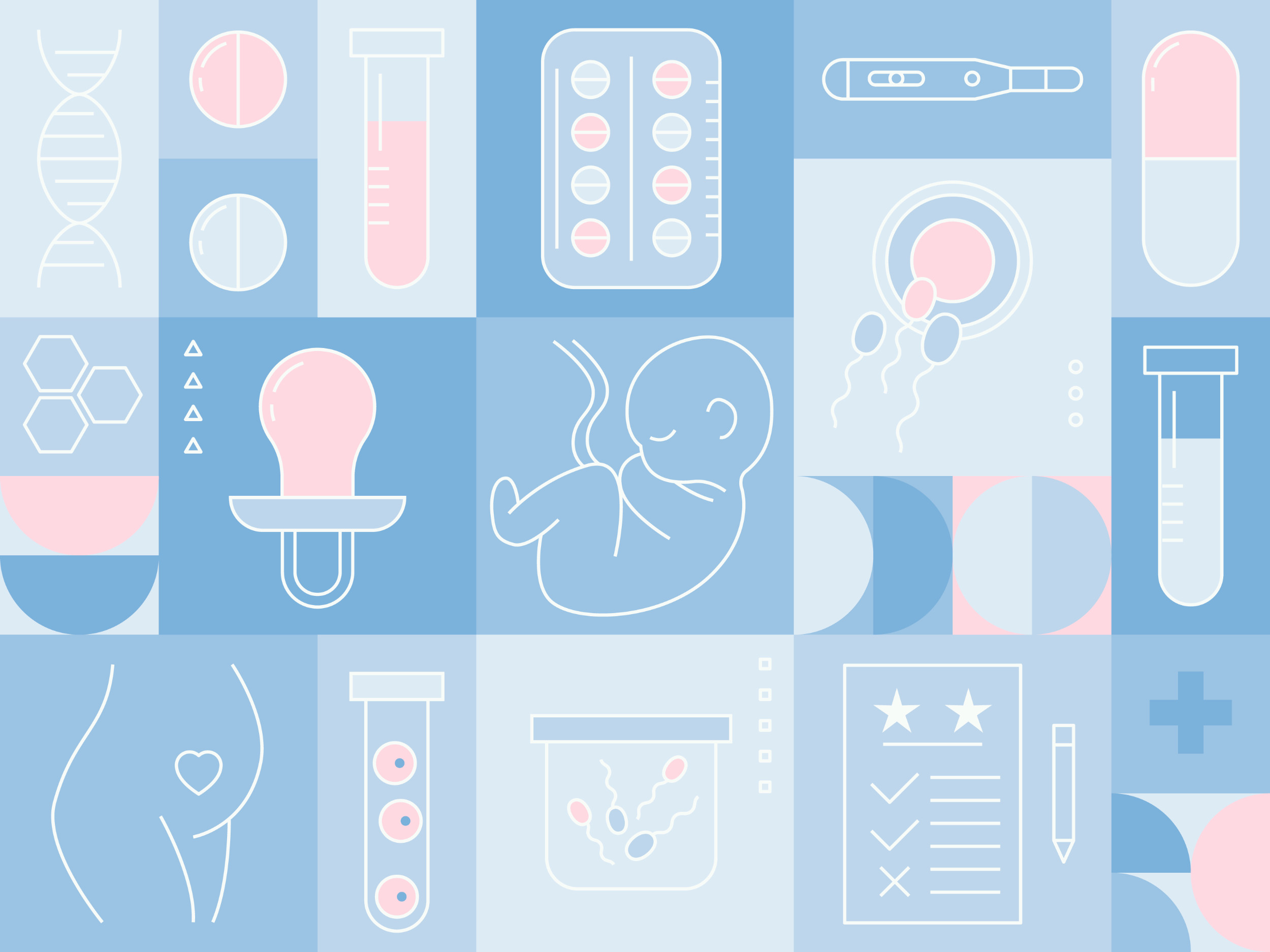
    The possibilities offered by modern medicine are advancing rapidly. Today, it is possible to obtain genetic information about an unborn child early in pregnancy without invasive procedures. Newborns in Switzerland are also routinely tested for certain rare diseases after birth. Currently, Switzerland's newborn screening program covers 11 diseases for which early treatment is crucial. However, […]

  • Entwicklungszusammenarbeit mit Wirkung?

    Over the past few decades, the number of people living in extreme poverty worldwide has declined sharply. In 1990around 30% of the global population was living in extreme poverty. Today that figure has fallen to about10%. At the same time life expectancy has increased and access to education and healthcare has improved significantly. International cooperation […]

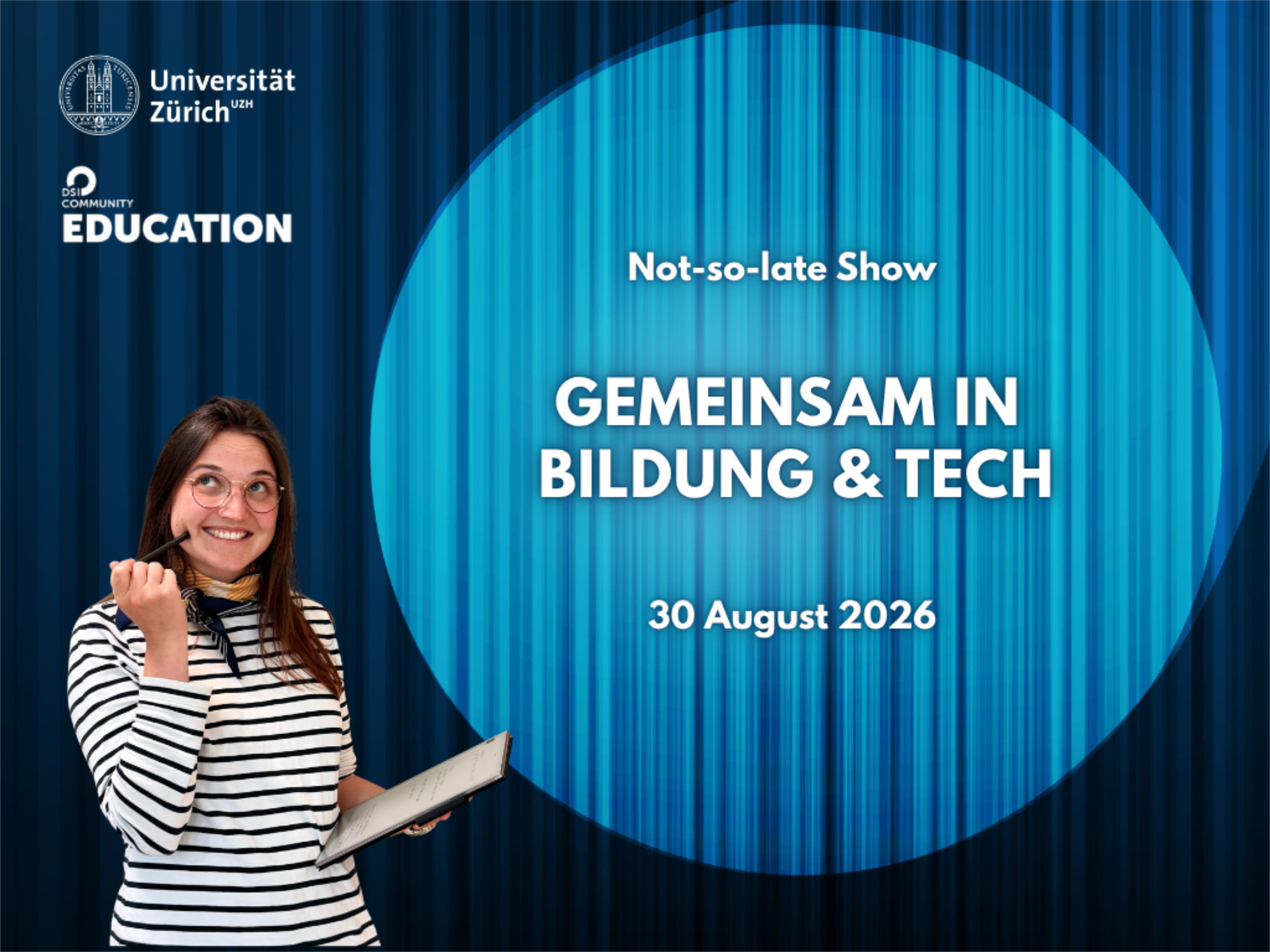
  • Not-so-Late Show: Gemeinsam in Bildung und Tech

    Welcome to a live panel show where research meets politics and inclusion is the main focus. Digital technologies are prevalent in higher education, from lecture recordings and accessibility tools to learning platforms, apps, and, yes, AI. While technology can open doors for students with disabilities, it also creates new challenges. In this show, guests from […]